
Japandi Interior Design Singapore: Calm, Functional Spaces for Modern Living
Explore a calmer way to design for Singapore homes. Japandi combines Japanese restraint with Scandinavian warmth, creating spaces that feel lighter, quieter, and more practical to live in.
This page is for homeowners who like clean lines, warm materials, better storage discipline, and a softer minimalist look without making the home feel cold or empty.
Japandi is not just a look. It is a planning discipline.
A good Japandi home depends on proportion, restraint, material balance, and clutter control. The style works best when design, carpentry, storage, lighting, and circulation are planned together instead of added piece by piece.
Minimalist clarity
Keep only what supports comfort, function, and calm visual rhythm.
Nature-led warmth
Bring in wood tones, soft neutrals, woven textures, and controlled natural light.
Practical fluidity
Create easier movement between living, dining, work, and storage zones.
How Japandi works across HDB, condo, and landed homes
HDB
Japandi suits HDB homes when layout discipline, compact storage, and light-toned materials are used to make smaller spaces feel calmer and more open.
Condo
In condos, Japandi helps balance clean minimalism with a softer, warmer finish so the home feels refined without becoming too sterile.
Landed
For landed homes, Japandi can scale well through layered textures, longer sightlines, and calmer transitions between larger social and private zones.
Core elements of a Japandi interior in Singapore
Warm neutral palette
Use quieter colours that support calm living instead of high-contrast styling.
Natural textures
Wood grains, tactile fabrics, stone-like finishes, and matte surfaces keep the home grounded.
Lighting with restraint
Layer ambient, task, and accent lighting so the home feels soft and useful from day to night.
Storage with discipline
Built-ins, concealed zones, and cleaner surfaces help preserve the calm look over time.
Use real project references to shape your Japandi direction
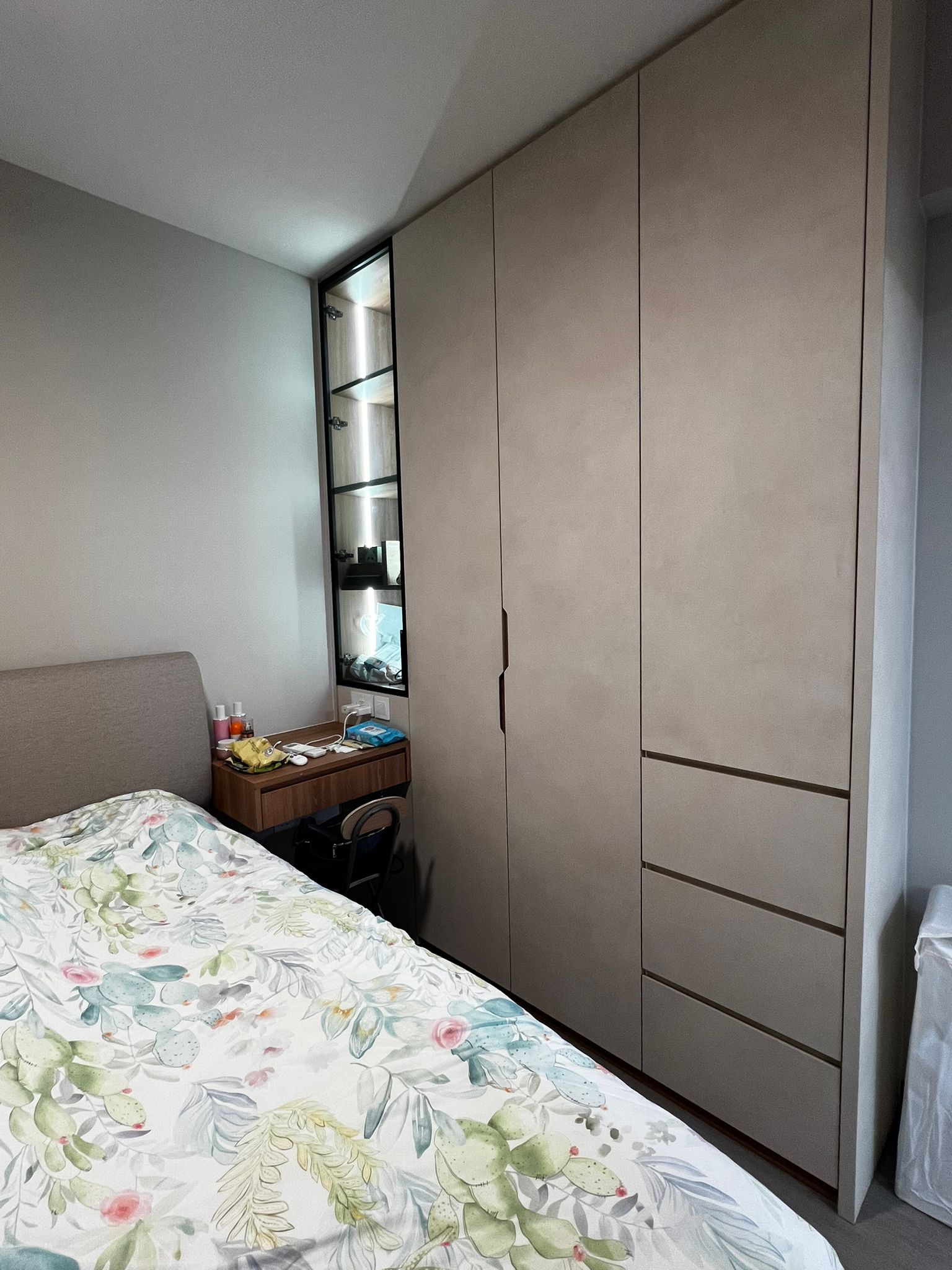
Calm communal zones
Look for spaces where kitchen, dining, and living areas feel connected but visually quiet.
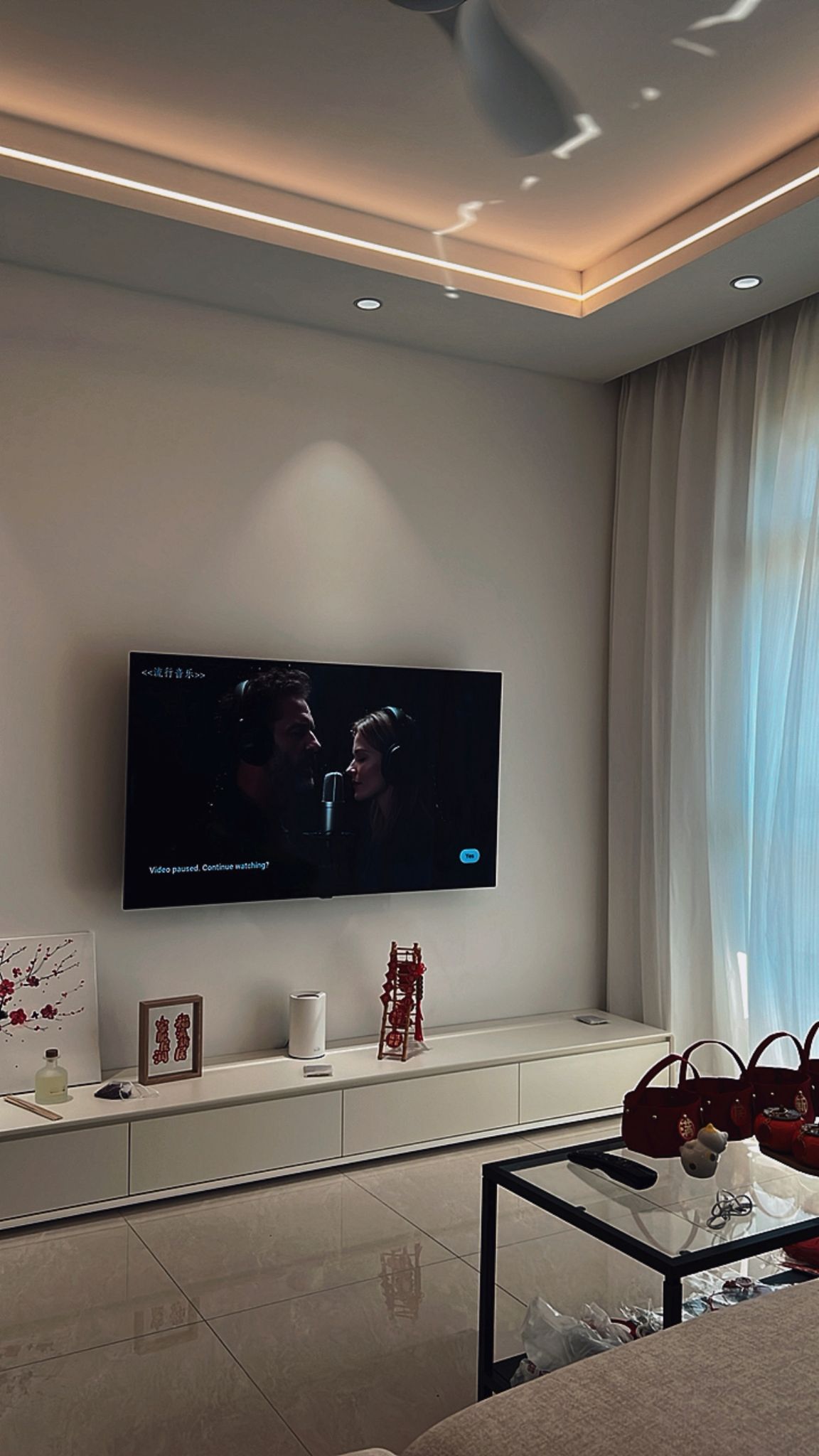
Warm living textures
Notice how wood tone, lighting, fabrics, and joinery details influence the overall Japandi mood.
Layout + carpentry alignment
Japandi feels strongest when the storage, circulation, and visual rhythm are designed as one system.
Common Questions About Japandi Design
What is Japandi interior design?
Japandi combines Japanese simplicity with Scandinavian warmth. The result is a home that feels calmer, more functional, and less visually heavy.
Can Japandi work for small homes in Singapore?
Yes. The style is especially useful when space planning, built-in storage, and natural light are handled carefully from the start.
How is Japandi different from generic minimalist design?
Japandi is usually warmer and more tactile. It relies on softer textures, natural materials, and a calmer lived-in atmosphere instead of sharp or stark minimalism.
How do I start planning a Japandi renovation?
Start with layout, storage priorities, material direction, and the mood you want the home to create. Then move to design concepts and carpentry planning with a clear brief.
Ready to shape a calmer, more functional home?
Shortlist the references and design elements you like, then speak with Sky Creation about how Japandi ideas could work for your home, layout, and renovation goals.