Some homes feel calm the moment you enter. Others feel crowded, restless, or awkward even when the finishes are expensive. That difference is rarely caused by style alone. It usually comes from how space is planned and how design decisions shape movement, light, privacy, and visual balance.
This is the psychology of space: the way interior design affects how a home feels in daily life.
What the Psychology of Space Means
The psychology of space is not abstract theory. It shows up in practical design decisions:
- How much visual clutter you see
- Whether circulation feels natural or blocked
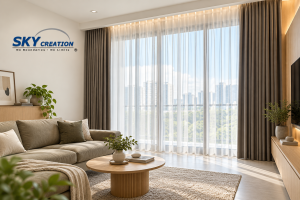
- How light enters and reflects across a room
- Whether furniture scale matches the room size
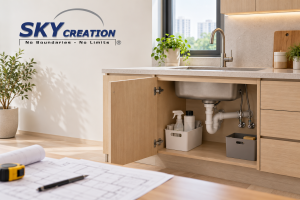
- How storage supports calm instead of mess
A home that feels “right” usually has many of these details working together quietly in the background.
Why Good Interior Design Feels Different
Good interior design creates emotional ease. You may not describe it in technical terms, but you notice it when:
- A room feels open without being empty
- You can move naturally without squeezing past furniture
- Lighting supports rest, focus, and daily routines
- The home feels organised, not visually noisy
- Materials and colours feel balanced instead of overwhelming
This is why good design often feels more valuable than what is visible on the quotation alone. It changes how the home functions every day.
Space Psychology Factors That Matter Most
| Design factor | How it affects the home | Psychological effect |
|---|---|---|
| Layout | Controls flow and room use | Calm when movement feels natural |
| Lighting | Changes mood and usability | Comfort, focus, or relaxation |
| Storage | Reduces visible clutter | Less stress and visual fatigue |
| Proportion | Balances furniture and room scale | A sense of ease and order |
| Material and colour | Shapes atmosphere and warmth | Coherence, softness, or energy |
Bottom line: A well-designed home is not just decorated well. It supports the way people think, move, and feel.
Why This Matters in Singapore Homes
In Singapore, many homes have practical constraints: compact floor plans, shared living spaces, work-from-home needs, and growing storage demand. These make the psychology of space more important, not less.
- HDB / BTO: Limited space means poor planning is felt immediately.
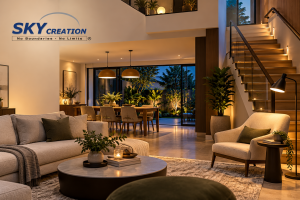
- Condo: Open-plan layouts need visual control so they do not feel exposed or sparse.
- Landed: Larger homes still need thoughtful zoning or they can feel disconnected and inefficient.
The goal is not to make every space look minimal. The goal is to make each space feel coherent and usable.
Common Design Mistakes That Affect How a Home Feels
- Overfilling rooms with furniture or carpentry. This reduces breathing space.
- Ignoring sightlines. Cluttered visual lines make rooms feel busier than they are.
- Using lighting as an afterthought. One lighting type cannot support every activity.
- Choosing style before function. A concept that photographs well may still feel difficult to live with.
These mistakes are often why a renovation looks finished but does not feel satisfying.
How Design-and-Build Teams Improve This
A good design-and-build team does more than select finishes. It considers flow, storage, lighting, and room behaviour together. That allows the final space to feel intentional rather than pieced together.
This is especially useful when the team can:
- Translate household routines into layout decisions
- Balance loose furniture with built-in storage
- Use materials and colour for mood, not just trend
- Coordinate execution so the design intent survives construction
When those pieces stay aligned, the emotional quality of the home improves.
Frequently Asked Questions
What is the psychology of space in interior design?
It refers to how design decisions such as layout, light, storage, proportion, and materials affect the way a home feels emotionally and functionally.
Why does good interior design feel different?
Good design feels different because it reduces friction in daily life. Movement feels easier, clutter is better controlled, lighting supports routines, and the space feels more balanced overall.
Does this only matter in small homes?
No. Small homes reveal the problem more quickly, but large homes also need spatial balance. Without it, they can feel underused, disjointed, or uncomfortable.
Can a renovation firm design for wellbeing, not just looks?
Yes. The best firms combine practical planning with design thinking so the finished home supports comfort, routine, and emotional ease, not just visual style.
Conclusion
The psychology of space matters because a home is experienced every day, not just seen once. Good interior design feels different when layout, light, storage, and proportion work together to create calm, clarity, and comfort.
If you want a home that feels better as well as looks better, you can request a free consultation or get in touch via WhatsApp to discuss how your layout and lifestyle can shape the design approach.