
Many landed renovation mistakes begin before site work starts. The risk is unclear scope, weak zoning, late checks, poor quotation comparison and decisions that become expensive to reverse.
Use this guide to plan a terrace, semi-detached or bungalow renovation with stronger scope discipline and fewer avoidable surprises.
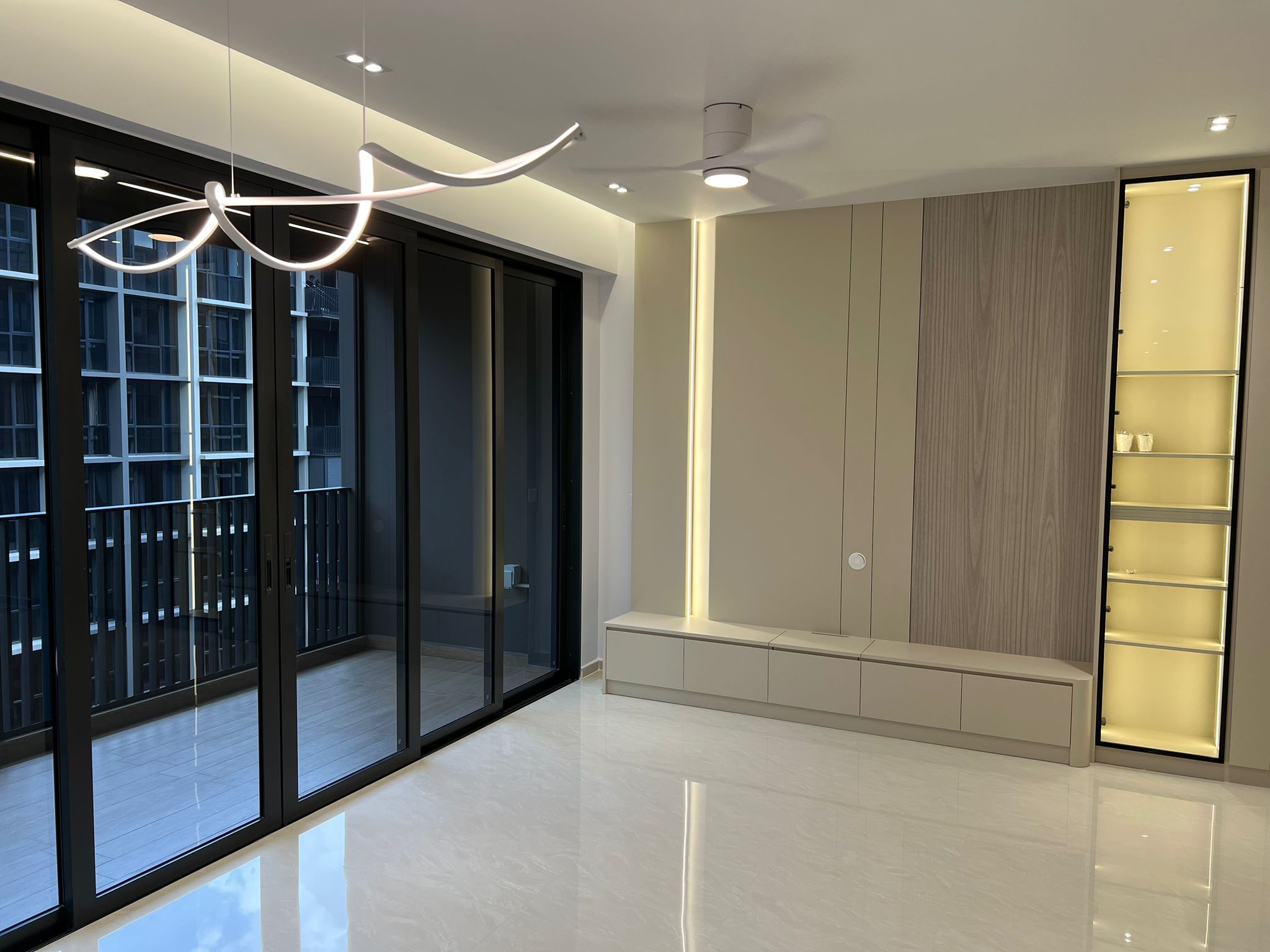
Why landed renovation mistakes are harder to correct later.
Landed homes often involve more levels, wet areas, custom work and coordination between scope, budget, timeline and checks.
More decisions connect
One layout or services decision can affect rooms across multiple floors.
Scope can drift
When must-do and optional works are not separated, budget and sequence can become unclear.
Checks may come too late
External or structural-adjacent ideas may require checks depending on scope.
Common landed renovation mistakes Singapore homeowners should avoid.
Each mistake is preventable when the brief is structured before design and execution commitments become harder to adjust.
Treating landed like a larger condo
A landed home needs whole-home zoning, multi-level circulation and stronger coordination, not only more room-by-room styling.
Starting with visuals before scope
Reference images help, but they cannot replace decisions on must-keep areas, technical limits, storage, family use and site condition.
Weak circulation across floors
If public, private, guest and service zones are not planned together, the home can look upgraded but still feel fragmented.
Ignoring existing-condition risk
Older services, dampness, previous alterations or uneven finishes can affect the practical renovation path and should be reviewed early.
Underplanning wet areas and M&E
Kitchens, bathrooms, lighting, plumbing and service routing can influence sequencing, cost drivers and later site coordination.
Comparing quotations without scope clarity
A lower number is not useful if inclusions, exclusions, quantities, finish level and carpentry assumptions are not comparable.
Leaving checks too late
External, roof, façade, drainage, boundary or structural-adjacent ideas may require checks where applicable before design becomes too detailed.
Over-customising every room
Built-ins should support how the family lives. Too much carpentry can crowd the home, stretch budget and reduce flexibility.
Using one strategy for every landed type
Terrace, semi-D and bungalow homes have different planning risks, so the renovation direction should respect the property type.
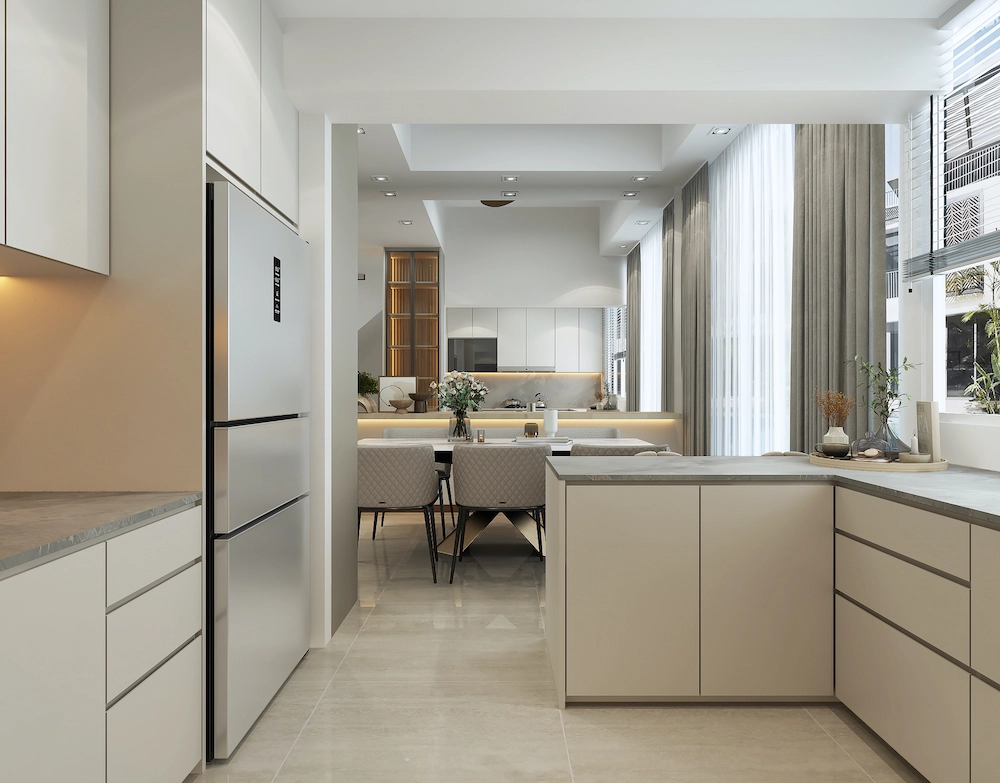
Plan the home as one coordinated system.
A stronger landed renovation direction connects property type, site condition, family routines, wet areas, carpentry priorities, approval-sensitive questions, budget drivers and timeline expectations before the project is harder to control.
Different landed homes create different planning mistakes.
Terrace homes
Light flow, depth, stairs and storage are common blind spots. Read the terrace guide.
Semi-detached homes
Zoning, outdoor connection and selective carpentry need early clarity. Read the semi-D guide.
Bungalows
Scale, hierarchy and finish continuity need stronger discipline. Read the bungalow guide.
Use the right guide for each risk area.
Preparation
Use the landed renovation checklist before consultation.
Approval awareness
Review approval considerations and A&A vs rebuild where applicable.
Project proof
Use landed project references to discuss direction and coherence.
Older landed homes
If the home is ageing, inherited or heavily altered, review the old landed house renovation guide for retain-versus-replace and condition-led planning decisions.
Avoid costly landed renovation mistakes before the brief hardens.
Share your property type, current condition, planned scope and biggest concerns. Sky Creation can help structure the discussion around scope, risk, sequence and design direction.
Common Questions About Landed Renovation Mistakes In Singapore
What are common landed renovation mistakes in Singapore?
Common mistakes include unclear scope, weak zoning across levels, comparing budgets without matching inclusions, late approval-sensitive checks, underplanning wet areas and over-customising without priorities.
Why do landed renovation budgets drift?
Budgets can drift when scope, carpentry quantity, wet works, M&E requirements, material choices and site-condition risks are not clarified before comparison.
When should approval-related questions be raised?
Raise them early if the intended scope touches external, roof, façade, boundary, drainage or structural-adjacent areas, because these may require checks depending on scope.
How do terrace, semi-D and bungalow renovation mistakes differ?
Terrace mistakes often involve light and circulation, semi-D mistakes often involve zoning and outdoor connection, while bungalow mistakes often involve scale discipline and whole-home hierarchy.
How can homeowners reduce avoidable renovation mistakes?
Start by clarifying the brief, property condition, priority spaces, approval-sensitive questions, budget drivers and decision sequence before design or site works become harder to change.